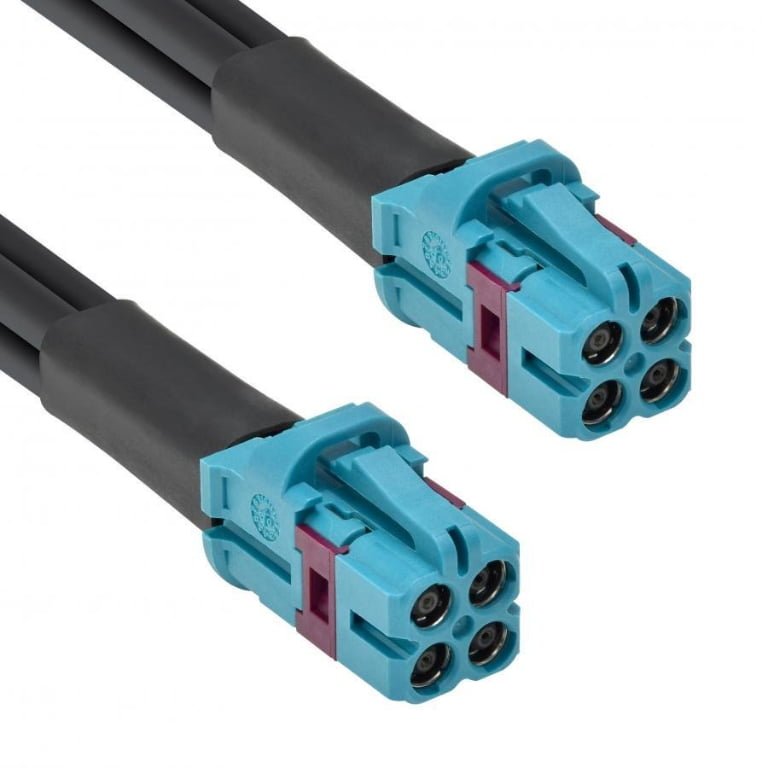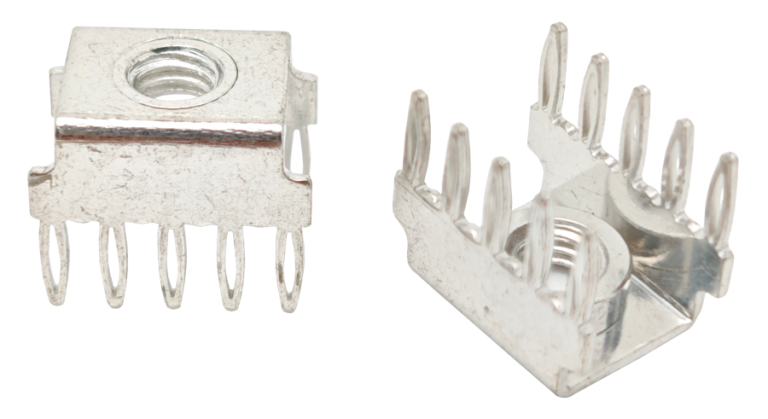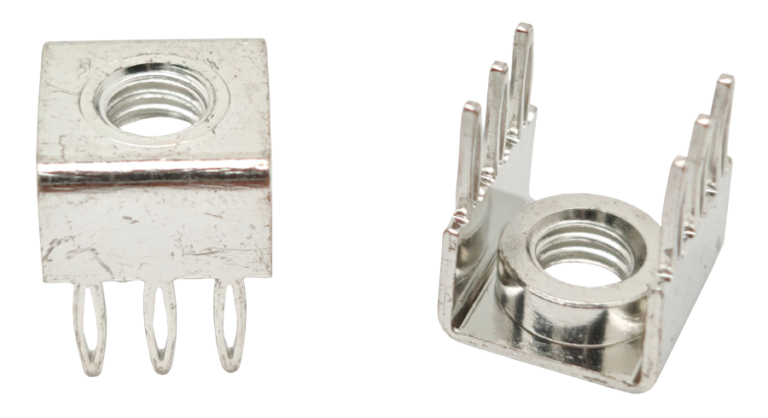
In the labyrinth of circuits, relays, and controllers that power today’s machinery, one component silently ensures that every signal reaches its destination and every watt of power flows without interruption. Wire harness assemblies are the vascular systems of modern electromechanical products, yet they rarely appear in glossy product brochures or engineering glamour shots. For OEMs and manufacturers of everything from electric vehicles to life-saving ventilators, the wire harness is not an afterthought—it is a fundamental enabler of functionality, safety, and long-term reliability. As the global wire harness market is poised to surpass $120 billion by 2028, understanding what these assemblies are, how they are made, and where the industry is headed has never been more critical for B2B stakeholders.
The Unsung Hero of Electromechanical Systems
Walk through any automotive assembly plant, robotic manufacturing cell, or hospital operating room, and you are surrounded by intricate networks of bundled conductors. These wire harness assemblies organize and protect miles of wiring, transforming what would otherwise be a chaotic tangle into a compact, serviceable, and durable lifeline. They do more than just conduct electricity; they shield sensitive signals from electromagnetic interference, withstand vibration and extreme temperatures, and simplify installation and maintenance. Without them, mass production of complex equipment would be slow, error-prone, and dangerously unreliable. For wire harness manufacturers, the responsibility is immense: a single defective crimp or misrouted wire can halt an entire production line or compromise end-user safety.
What Exactly Is a Wire Harness Assembly?
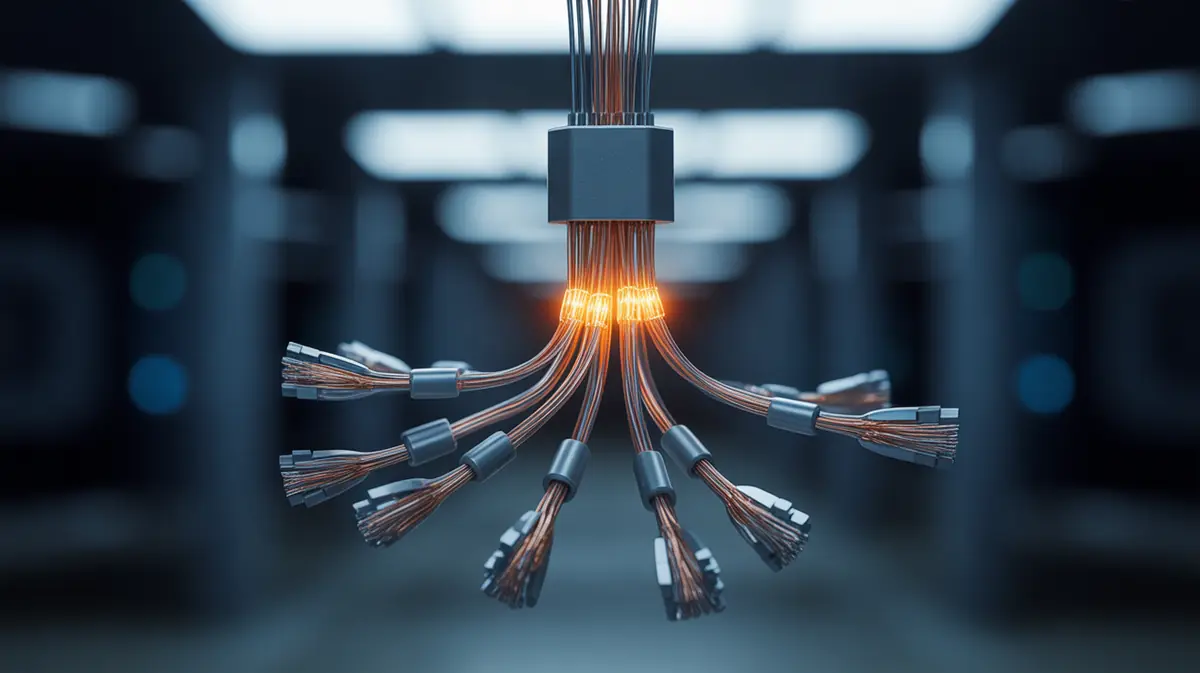
A wire harness assembly is a pre-engineered set of wires, cables, and interconnection components designed to transmit electrical power and signals within a larger system. It typically includes conductors (copper or aluminum), terminals, connectors, insulating materials, and protective outer coverings such as braided sleeves, conduits, or tape. Unlike a simple cable, which is often a single insulated conductor or a group of conductors bundled uniformly, a wire harness integrates multiple branches, breakouts, and connector types tailored to specific equipment layouts. The industry distinction is important: a cable assembly is usually a more rugged, often overmolded unit designed for external or harsh environments, while a wire harness is the internal distribution network. Both must meet IPC/WHMA-A-620 standards, the globally recognized benchmark for workmanship and quality in cable and wire harness assemblies.
How Wire Harness Assemblies Are Made: A Step-by-Step Overview
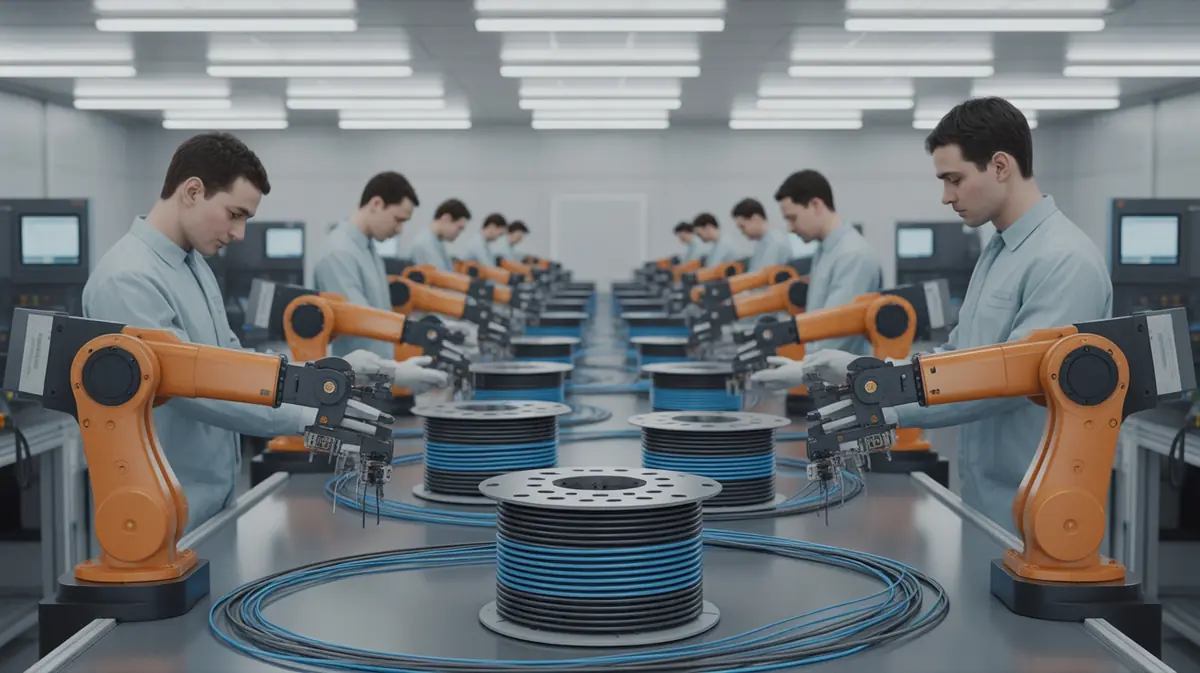
The manufacturing journey begins long before the first wire is cut. Design engineers use specialized 2D and 3D CAD tools to map out the harness layout, taking into account spatial constraints, bending radii, and connector positioning. Once the design is frozen, production kicks off with automated cutting and stripping machines that precisely measure and prepare each conductor. Crimping—the process of attaching a terminal to the wire end—is the most critical step; modern factories employ crimp force monitoring systems that analyze each crimp in real time, rejecting any that fall outside micro-scale tolerances. Next comes soldering or ultrasonic welding for splices, followed by connectorization and, where specified, overmolding. Subassemblies are then routed on full-scale form boards that replicate the final installation geometry, and technicians (or collaborative robots) bind them with tape, tie wraps, or spiral wrap. Every finished harness undergoes rigorous electrical testing—continuity, hipot, and sometimes functional testing—before packaging and shipment.

Key Industries Driving Wire Harness Demand: A Data-Driven View
Wire harness manufacturers serve a diverse client base, but a handful of sectors dominate demand. The automotive industry remains the largest consumer, accounting for roughly 40% of the global market, with the rapid shift toward electric vehicles (EVs) pushing for higher-voltage harnesses and lightweight designs. Aerospace and defense represent a high-value segment, growing at a projected CAGR of 5.8% due to increasing avionics complexity and UAV production. Industrial automation is another powerhouse, fueled by the proliferation of collaborative robots and sensor-heavy smart factories. Medical device manufacturers, though smaller in volume, demand extreme precision and miniaturization for diagnostic imaging systems and surgical robots. The table below summarizes these trends:
| Industry | Market Share (Approx.) | Key Driver | Projected CAGR (2024-2030) |
|---|---|---|---|
| Automotive | 40% | EV/ADAS proliferation | 6.2% |
| Aerospace & Defense | 18% | Next-gen aircraft, UAVs | 5.8% |
| Industrial Machinery | 22% | Robotics, Industry 4.0 | 7.5% |
| Medical Devices | 8% | Miniaturization, wearable tech | 7.0% |
| Telecom & Datacom | 7% | 5G infrastructure, data centers | 8.3% |
| Others | 5% | Renewable energy, marine | 6.0% |

This diversification presents both opportunities and challenges for wire harness manufacturers, who must maintain flexible production lines capable of switching between low-volume, high-mix medical cables and high-volume automotive runs without sacrificing quality.
Overcoming Critical Production Challenges in Wire Harness Manufacturing
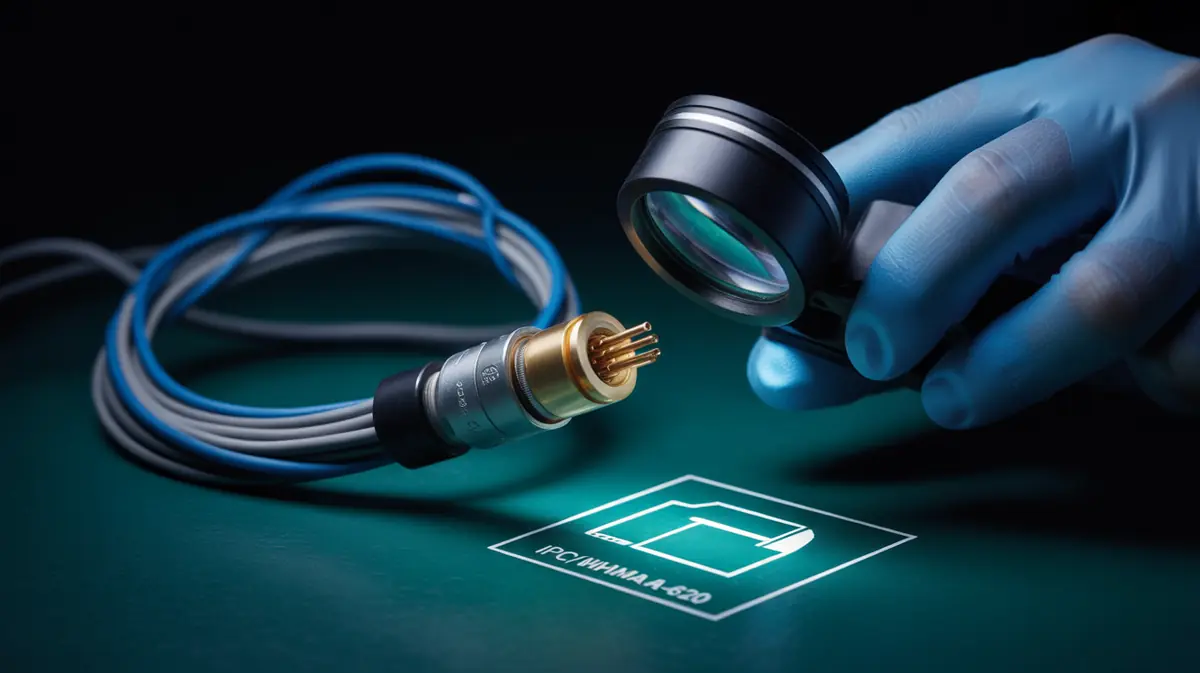
Despite decades of refinement, wire harness production remains surprisingly labor-intensive. The challenge lies in handling flexible, three-dimensional components that resist full automation. Design complexity also escalates as equipment becomes more compact: harnesses for a modern EV may contain over 1,500 individual wires in tight, heat-prone spaces. To tackle these issues, leading manufacturers adopt a hybrid approach—automated cutting and crimping paired with manual or cobot-assisted routing. Material selection is equally pivotal; high-temperature silicone or cross-linked polyethylene may be required for under-hood applications, while medical devices demand biocompatible, sterilizable jackets. Strict adherence to IPC/WHMA-A-620 ensures that every assembly, regardless of complexity, meets the same workmanship criteria. Lean manufacturing principles, such as value-stream mapping and poka-yoke fixtures, help reduce cycle times and eliminate defects. A practical strategy gaining traction is the use of modular harness designs that allow pre-assembled sub-circuits to be tested independently before final integration, cutting rework rates by up to 30%.
The Future of Wire Harness Assembly: Automation, IoT, and Sustainable Materials
The next decade will redefine wire harness manufacturing. Collaborative robots (cobots) equipped with machine vision are beginning to take over repetitive tasks like tape wrapping and connector insertion, while AI-driven optical inspection systems spot microscopic flaws faster than the human eye. Embedded smart sensors in harnesses—monitoring temperature, current, and insulation health—enable predictive maintenance, turning the harness itself into an IoT data source. On the materials front, EU sustainability regulations and automotive lightweighting goals are accelerating the shift toward halogen-free, recyclable insulation and aluminum conductors. Industry 4.0 integration allows real-time order tracking and dynamic rerouting in the supply chain, making mass customization feasible even for small batch sizes. Wire harness manufacturers that invest in these technologies today will be positioned to offer greater value than those clinging to rigid, labor-only models.
How to Choose the Right Wire Harness Manufacturer for Your Project
Selecting a manufacturing partner is a strategic decision that goes beyond comparing unit prices. Begin by verifying technical certifications: ISO 9001 is a baseline, IATF 16949 is mandatory for automotive suppliers, and UL certification may be required for end-product safety compliance. Examine the manufacturer’s prototyping capabilities—a provider that can deliver a functional prototype in days, not weeks, will accelerate your product development cycle. Geographic location matters less than supply chain resilience: a partner with dual-shore manufacturing or strategic inventory buffers can safeguard against disruptions. When evaluating total cost of ownership, factor in scrap rates, rework, and the risk of field failures. A rigorous vendor audit should include on-site inspection of their quality lab, crimp force monitoring records, and IPC/WHMA-A-620 operator certifications. The checklist below serves as a starting point for qualification:
- Certifications & Compliance: ISO 9001, IATF 16949, UL, IPC/WHMA-A-620 trained workforce.
- Prototyping Speed: In-house 3D printing, quick-turn assembly for form/fit testing.
- Testing Capabilities: High-voltage hipot, continuity, and pull-off force testing.
- Scalability: Ability to ramp from pilot to full production without quality dips.
- Value-Added Services: Design for manufacturability (DFM) feedback, inventory management, kitting.
Key Takeaways
- Wire harness assemblies are the backbone of safe, efficient power and signal distribution across virtually every industry, from automotive to medical.
- Understanding the distinction between wire harnesses and cable assemblies, and the IPC/WHMA-A-620 standard, is essential for sourcing reliable components.
- Production involves a blend of automated precision (cutting, crimping) and skilled manual assembly; quality control at every stage is non-negotiable.
- Market growth is robust, with automotive and industrial sectors leading, but emerging trends like smart sensors and sustainable materials will reshape the competitive landscape.
- Partnering with the right wire harness manufacturer—one that aligns certifications, prototyping agility, and total cost of ownership with your business goals—is the surest path to long-term product success.