In the labyrinthine world behind your car’s dashboard, inside the fuselage of a passenger jet, or within the humming casing of a life-saving medical device lies an intricate network of wires that you will likely never see. These aren’t tangled messes; they are meticulously planned, cut, bundled, and terminated assemblies known as wire harnesses. And behind every flawless harness is a skilled pair of hands—the wiring harness assembly operator. These professionals are the human precision layer that no machine has yet fully replaced, safeguarding everything from a family sedan’s airbag deployment to an MRI scanner’s diagnostic accuracy. As wire harness manufacturers face skyrocketing complexity and quality demands, the operator’s role has never been more vital—or more misunderstood.
The Unsung Heroes of Modern Electronics: Wire Harness Assembly Operators
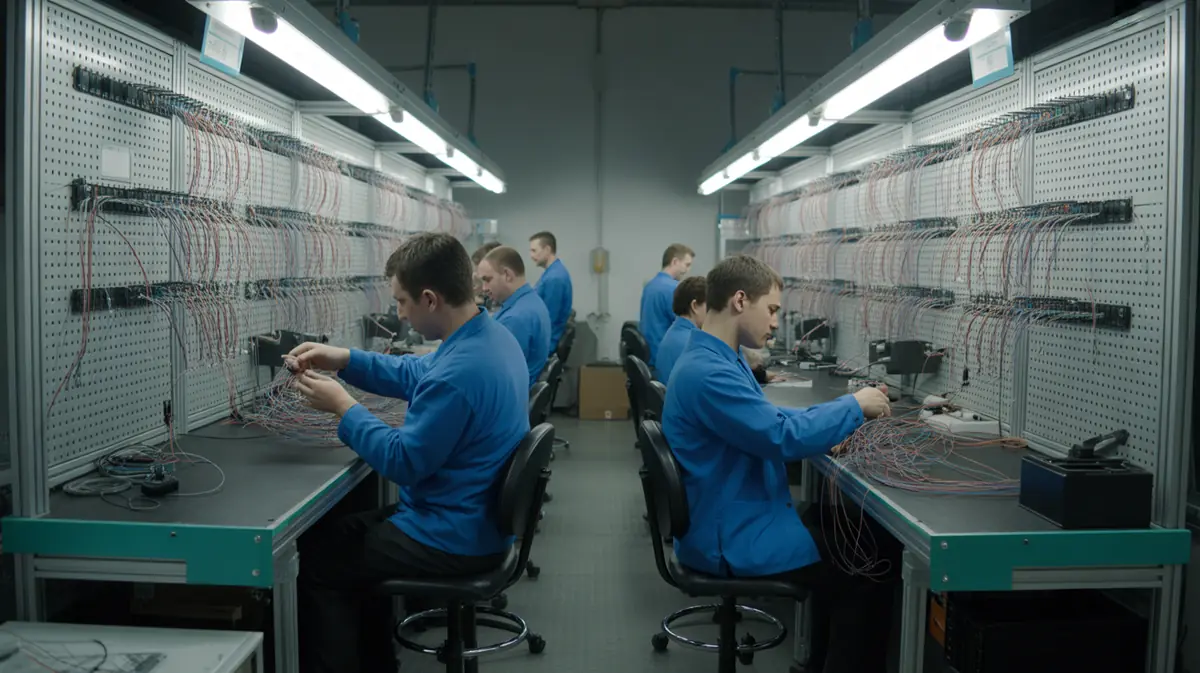
Every vehicle, aircraft, and industrial machine depends on meticulously assembled wire harnesses. In an era of relentless automation, it is the human operator who still brings irreplaceable adaptability to an exacting craft. For tier-1 wire harness manufacturers, these operators are the direct line of defense against the kind of field failures that cost millions in recalls and erode decades of brand trust. Their work is not merely assembly; it is a continuous exercise in judgment, dexterity, and discipline performed under the glaring lens of quality metrics.
Understanding Wire Harnesses: The Nervous System of Machines
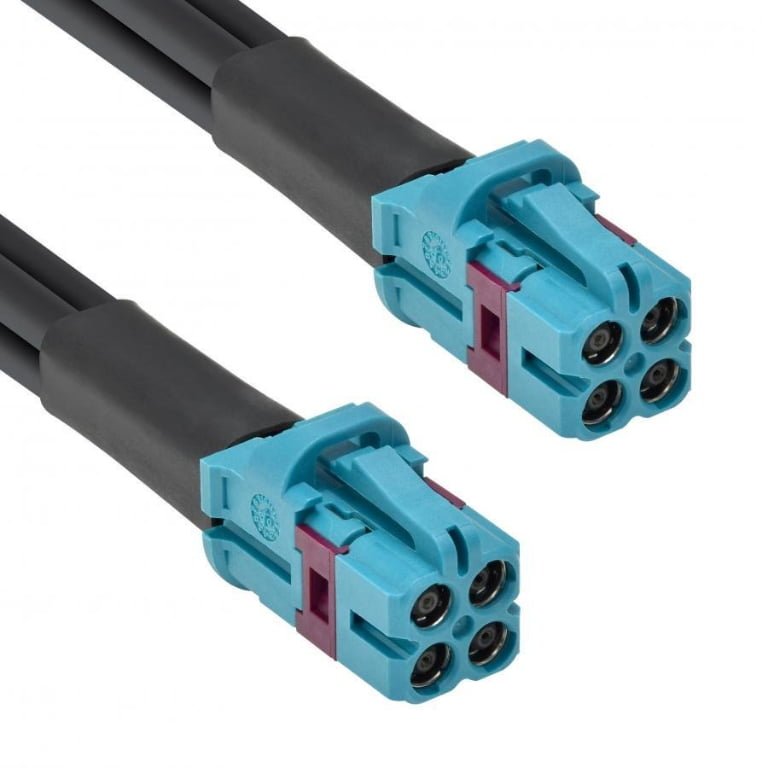
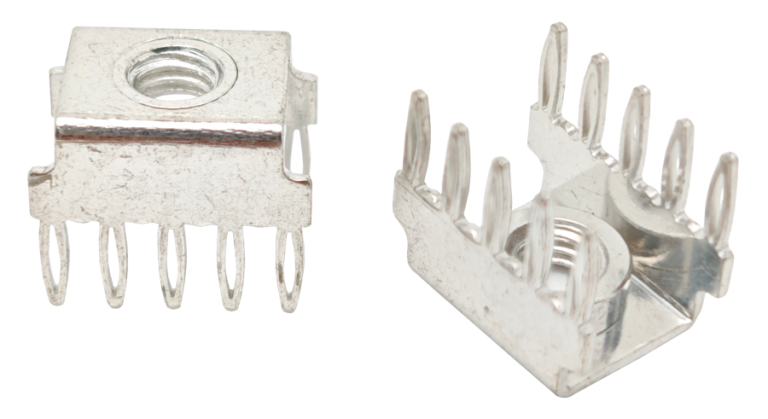
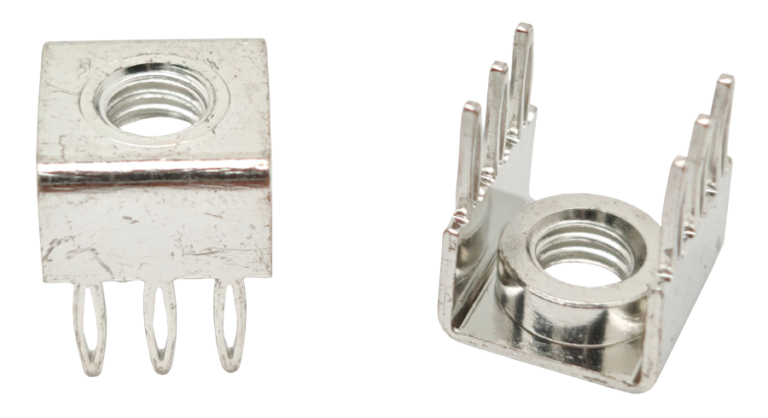
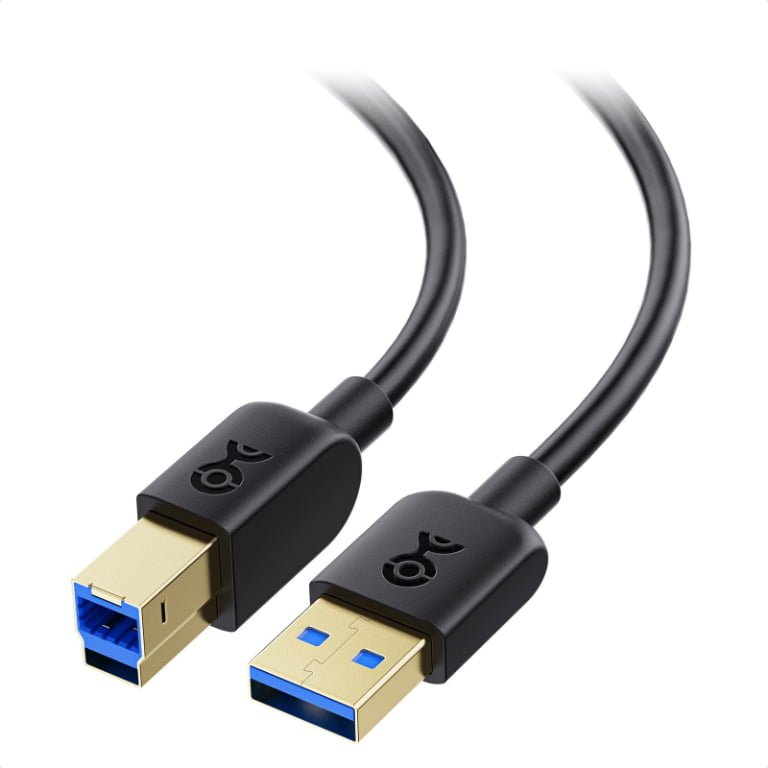
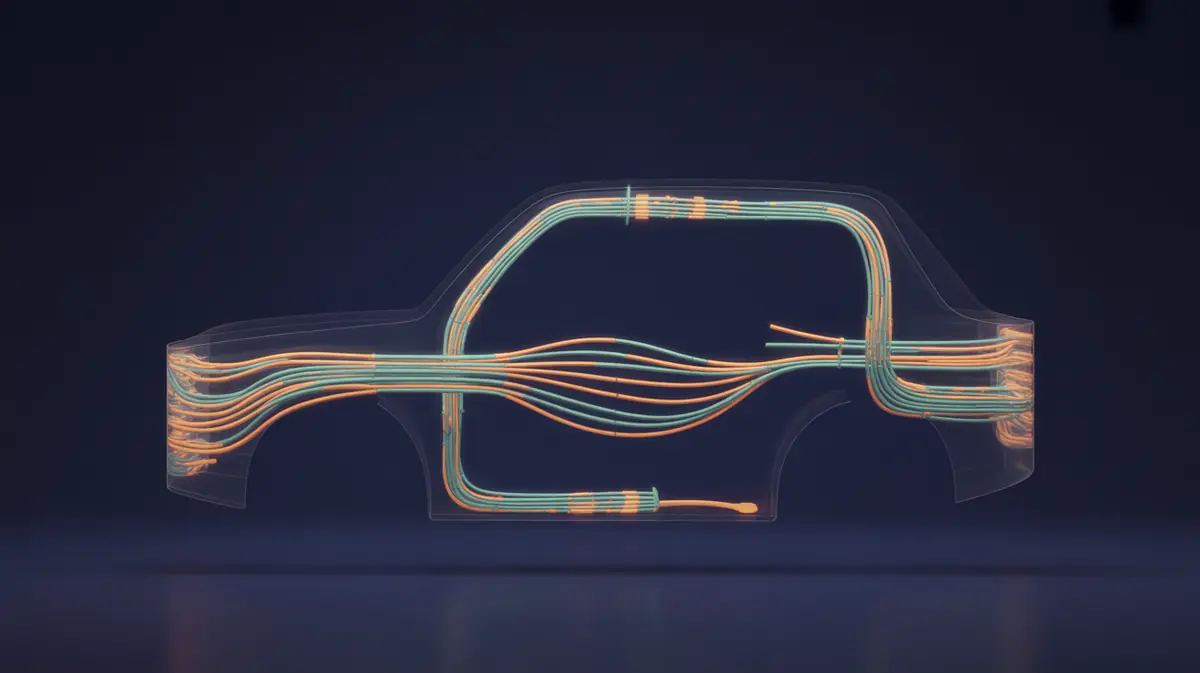
A wire harness is far more than a collection of colorful cables. It is a custom-engineered assembly that bundles wires, cables, connectors, terminals, and protective sleeves—such as corrugated tubing, heat shrink, or braided loom—to route signals and electrical power reliably through a machine. Unlike a cable assembly, which is often a simpler, off-the-shelf product, a wire harness is purpose-built for one specific application. In an automotive wire harness, for instance, thousands of individual circuits must accommodate everything from infotainment systems to engine control units, all while surviving vibration, temperature extremes, and electromagnetic interference. In aerospace, weight reduction, flame resistance, and zero-failure tolerances amplify the complexity. Even a single mis-crimped terminal or a reversed wire into a connector can cascade into a catastrophic system collapse, which is why the human assembler’s role remains indispensable.
Defining the Role: What Does a Wiring Harness Assembly Operator Do?
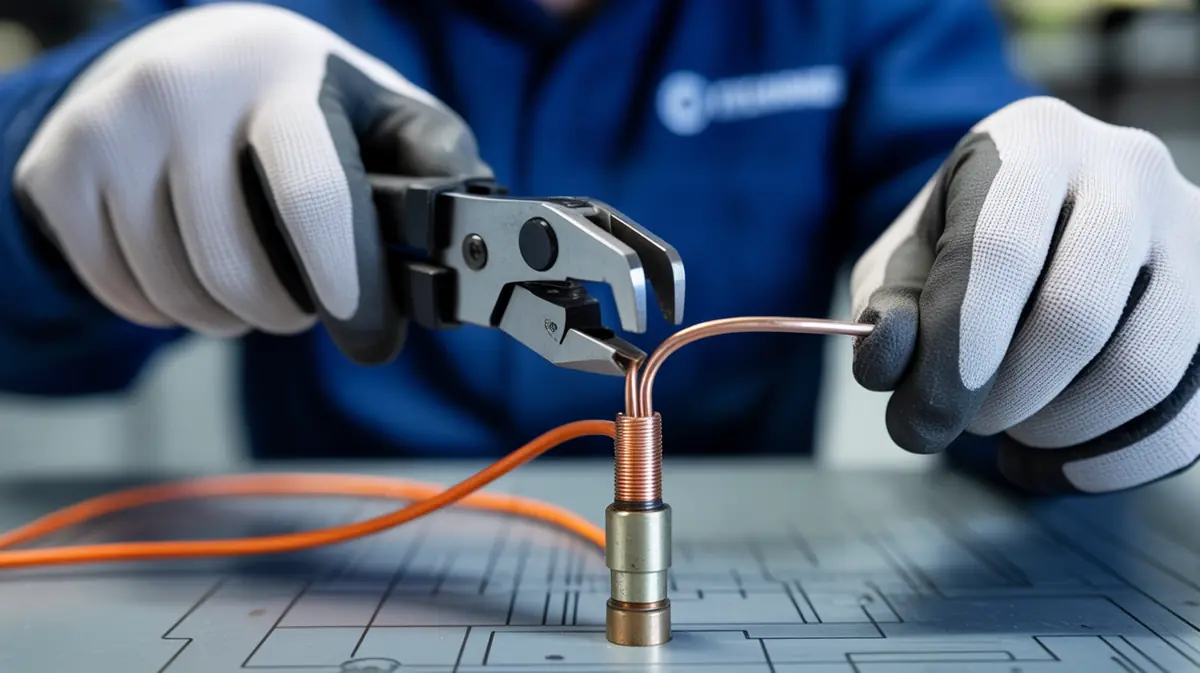
The daily reality of an operator’s job is a blend of technical literacy and manual mastery. Their first task is to read and interpret complex wiring diagrams, assembly drawings, and step-by-step work instructions that dictate exact wire lengths, routing paths, and connector pin assignments. Using a variety of hand tools—from precision wire strippers and crimpers to heat guns and soldering irons—they then cut, strip, crimp, solder, and route each circuit. Many operators also work with semi-automated equipment such as programmable cut-and-strip machines or ultrasonic welders, but the fine positioning and verification remains human-led. Throughout the process, operators perform visual inspections and continuity tests, often using dedicated test boards or automated test equipment. Quality checks are not final-step formalities; they are embedded at every stage. Operators also document output, flag any non-conformances immediately, and rigorously maintain an ESD-safe (electrostatic discharge) workstation to protect sensitive electronic components.
Skills, Training, and Certifications That Wire Harness Manufacturers Value
While basic motor skills are the starting point, the professional bar for operators has risen sharply. Manual dexterity, acute color vision (to differentiate color-coded wires and resistor bands), and the patience for repetitive, detail-oriented tasks remain foundational. However, leading wire harness manufacturers now prize formal vocational training or structured apprenticeship programs that instill a deep understanding of electrical theory, material properties, and lean manufacturing principles. The global gold standard is IPC/WHMA-A-620, “Requirements and Acceptance for Cable and Wire Harness Assemblies.” An operator certified to this standard has demonstrated the ability to produce work that meets the exacting acceptability criteria recognized across aerospace, defense, medical, and automotive supply chains. Beyond certifications, on-the-job upskilling is continuous: manufacturers invest in training operators on next-generation connector families, high-voltage safety for electric vehicle harnesses, and the programming of automated tooling, ensuring that careers stay future-proof.

Manual Assembly vs. Automation: A Data-Driven Comparison
The narrative that robots will displace all assembly workers is overly simplistic in the world of wire harnesses. Automated wire processing excels in high-volume, low-mix environments, where machines can cut, strip, and crimp thousands of identical wires per hour. Yet, when production volumes drop or complexity spikes—such as in low-volume prototyping, aftermarket customization, or mass-customized industrial equipment—automation struggles. Research from the Wiring Harness Manufacturer’s Association indicates that manually assembled harnesses can exhibit up to 30% lower defect rates in prototyping and runs of fewer than 500 units per month. The reason is simple: a human operator can adapt instantly to routing deviations, connector fitment nuances, and last-minute design changes that would force a robotic system to halt and be reprogrammed.
Cost analysis reinforces this: for harnesses produced at volumes below 500 units per month, manual assembly is typically 40% cheaper than full automation when considering capital expenditure, programming labor, and changeover downtime. The most productive factories are now adopting hybrid cells, where operators oversee collaborative robots (cobots) that handle repetitive tasks like applying wire labels or feeding cut-and-strip machines, while the human focuses on the intricate weaving, connector insertion, and inspection. Studies from automotive tier-1 suppliers show that such cells can boost overall throughput by 25% while maintaining the flexibility that pure automation cannot match.
How to Launch Your Career as a Wiring Harness Assembly Operator
Entry into this field has never been more structured. The journey typically starts with a high school diploma or equivalent, though coursework in electronics, shop class, or even hobbyist tinkering provides a tangible edge. Aspiring operators should enroll in a short-term certificate program focused on cable and wire harness assembly; many community colleges and technical institutes offer courses aligned with the IPC-620 standard, which is the benchmark credential hiring managers recognize. Once trained, job seekers should target wire harness manufacturers directly via company career pages, or use staffing agencies that specialize in manufacturing placement. During interviews, candidates may be asked to demonstrate blueprint-reading ability—identifying wire gauge, color, and route from a simple schematic—and to perform a sample dexterity task like pin insertion or small-parts assembly. Those who secure a spot in a formal apprenticeship programs gain the combined advantage of paid on-the-job training and classroom instruction, often leading to full-time employment and a clear pathway to senior operator or technician roles.
The Future of Wire Harness Manufacturing: Evolving Operator Roles
The wiring harness assembly operator of 2030 will bear little resemblance to the role’s traditional image. As electric vehicles (EVs) rapidly proliferate, harness architectures are shifting to lightweight, high-voltage designs that demand flawless mastery of new safety protocols, HV interlock circuits, and orange-cable awareness. At the same time, Industry 4.0 technologies are reshaping the factory floor: augmented reality (AR) headsets now project step-by-step assembly instructions onto the operator’s visual field, slashing errors on complex branches, while IoT-enabled crimping tools log every termination force and send real-time data to quality databases. These tools don’t deskill the role—they elevate it, turning operators into tech-augmented decision-makers. Moreover, a sustained push to near-shore production is driving robust demand for skilled operators in North America and Europe, reversing decades of offshoring. Proactive wire harness manufacturers are responding by launching reskilling programs that convert today’s operators into multi-skilled technicians capable of programming, maintaining, and optimizing the very cobots they work alongside. The operator who once simply followed instructions is becoming the orchestrator of a sophisticated manufacturing cell—and the career path has never held more promise.
Key Takeaways
- Wiring harness assembly operators are the critical human link ensuring the reliability and safety of complex electrical systems across automotive, aerospace, medical, and industrial sectors.
- The role demands a blend of blueprint interpretation, manual precision using specialized tools, and continuous in-process quality inspection, all governed by the global IPC/WHMA-A-620 standard.
- Data shows that for low-volume, high-mix production, skilled manual assembly can deliver lower defect rates and significantly lower costs than full automation, while hybrid cells offer the best of both worlds.
- Entry into the field is accessible via short-term certificate programs and apprenticeships, with clear career progression into high-tech operator and technician roles as manufacturing digitalizes.
- The industry’s pivot toward EVs, near-shoring, and Industry 4.0 is reshaping the operator into a tech-savvy orchestrator, making it a stable and evolving career choice for the next decade.