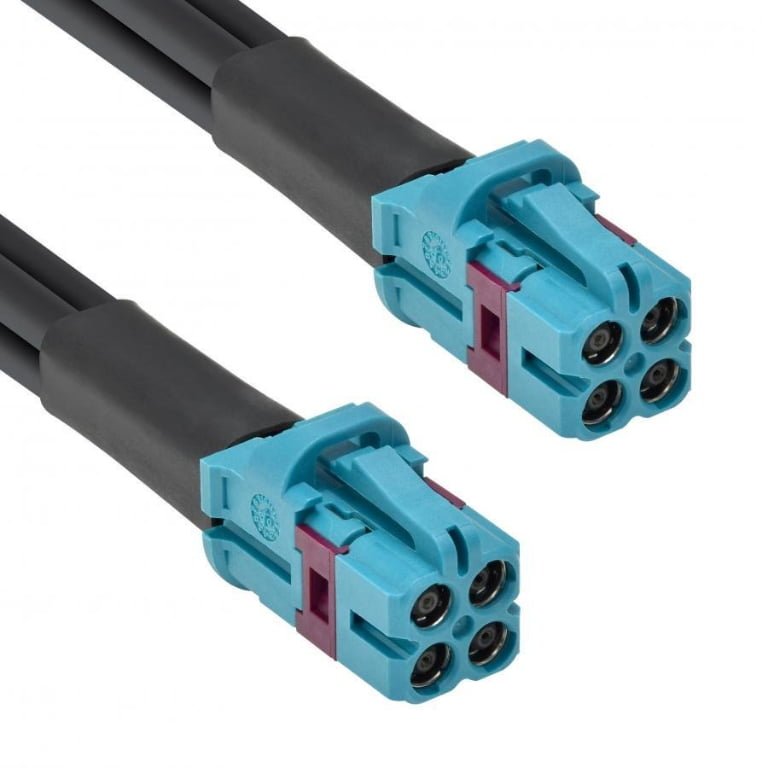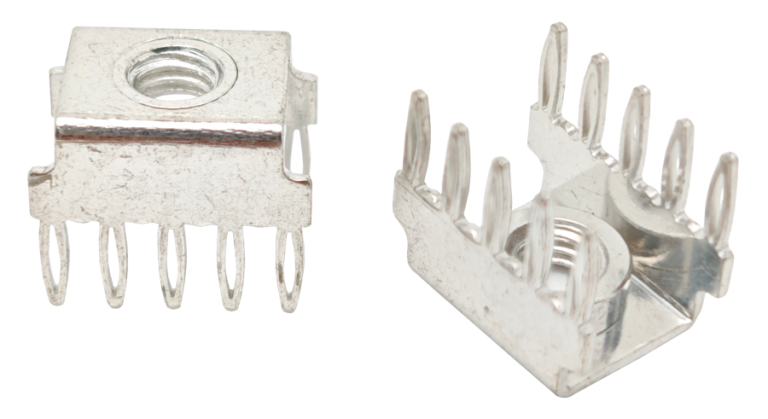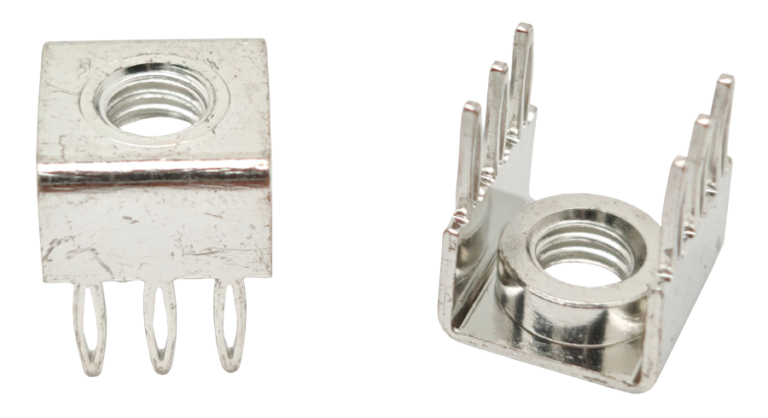
In an era where electrons are the lifeblood of innovation, wire harnesses function as the essential circulatory system—silently distributing power, data, and control signals across every modern machine. From electric vehicles navigating next-gen roadways to surgical robots performing delicate procedures, the integrity of these bundled assemblies can mean the difference between breakthrough performance and catastrophic failure. As global demand accelerates—fueled by electrification, factory automation, and aerospace modernization—procurement leaders and design engineers face a pivotal challenge: identifying a manufacturing partner whose capabilities align precisely with both technical ambitions and supply chain realities. This ranking and selection guide cuts through the complexity, delivering an authoritative, data-driven view of the top 10 wire harness manufacturers poised to define 2025.
How We Evaluated the Top 10 Wire Harness Companies
Our rankings are not based on brand recognition alone. We synthesized a multi-factor methodology designed to mirror the scrutiny a rigorous sourcing team applies. Primary data was drawn from 2024 annual reports, investor presentations, and industry tracking databases maintained by analysts including Mordor Intelligence and Frost & Sullivan. Each company was assessed on:
- Scale and Financial Health: Trailing-twelve-month revenue and year-over-year growth specifically within wire harness and interconnect divisions, ensuring we capture genuine market leadership rather than conglomerate size.
- Manufacturing Footprint and Certifications: Number of production sites, global distribution, and holdership of critical quality credentials such as IATF 16949 (automotive), AS9100 (aerospace), and ISO 13485 (medical). Vertical integration—from copper drawing to final assembly—was weighted positively for supply chain control.
- Innovation and R&D Intensity: Patent filings, proprietary technologies (e.g., high-voltage connectors, lightweight materials, intelligent harnesses), and R&D spend as a percentage of revenue within the interconnect segment.
- Customer Validation: Publicly documented case studies, longevity of OEM partnerships, and aftermarket support network responsiveness, revealing reliability beyond initial delivery.
This transparent framework allows readers to map the rankings directly to their own selection criteria, transforming a static list into a decision-enabling tool.
The Top 10 Wire Harness Manufacturers in 2025: A Detailed List
Below is the definitive ranking, each entry featuring the company’s headquarters, estimated 2024 interconnect revenue, primary verticals, and a distinctive strength that defines its competitive moat.
- Yazaki Corporation (Japan) – Revenue: ~$14B. The unrivalled giant of automotive wire harnesses, Yazaki supplies one in every three vehicles globally. Its economies of scale, paired with a sprawling network of 140+ production sites, make it the default choice for high-volume OEMs. Distinctive strength: unparalleled capacity to ramp new programs across continents simultaneously, reducing launch risk for global platforms.
- Sumitomo Electric Industries (Japan) – Revenue: ~$9B (wiring harness segment). A pioneer in high-voltage EV systems, Sumitomo has leveraged its material science heritage to develop 800V-compatible harnesses with advanced silicone insulation and heatshield technologies. Distinctive strength: vertical integration from raw material to connector, yielding rare cost-performance optimization for electrified powertrains.
- Aptiv PLC (Ireland) – Revenue: ~$17B (total, heavily diversified). Aptiv’s Smart Vehicle Architecture™ philosophy redefines the harness as an active partner in vehicle intelligence. Its high-speed data cables and integrated connector systems are central to zonal architectures in next-gen EVs. Distinctive strength: software-enabled, upgradable harness designs that future-proof vehicle platforms.
- Leoni AG (Germany) – Revenue: ~$5.5B. This European specialist excels in extreme-environment applications, producing high-temperature wires for engine compartments and complex industrial machinery. Leoni’s recent pivot to sustainable materials, including bio-based plastics, sets a new standard. Distinctive strength: deep expertise in copper alloy innovation and halogen-free formulations for fire safety.
- Furukawa Electric Co. (Japan) – Revenue: ~$3.5B (harness-related). Furukawa leads the shift toward lightweighting with aluminum harnesses that reduce vehicle mass by up to 30%, critical for EV range extension. Its optical fiber bundling capabilities also position it strongly in telecom infrastructure. Distinctive strength: advanced metallurgy and unique aluminum-crimping technology that overcomes galvanic corrosion challenges.
- TE Connectivity (Switzerland) – Revenue: ~$16B (total). With the industry’s broadest portfolio of connectors, sensors, and relays, TE’s inter-connective ecosystem is the backbone of Industry 4.0. From high-power battery connectors to miniature industrial interfaces, its offerings span virtually every voltage and environment. Distinctive strength: modular, configurable platform designs that accelerate custom harness development.
- Amphenol Corporation (USA) – Revenue: ~$13B (total). Amphenol dominates military and aerospace harnesses, where failure is not an option. Its MIL-DTL-38999 and proprietary high-shock connectors thrive in fighter jets, satellites, and downhole drilling. Distinctive strength: battle-proven reliability in extreme temperatures, vibration, and corrosive atmospheres, backed by decades of defense heritage.
- Molex (Koch Industries, USA) – Revenue: ~$4.5B (estimated). Molex’s mastery of miniaturization and high-density interconnects powers everything from life-saving medical implants to hyperscale data centers. Its micro-coaxial and board-to-board harness solutions enable smaller, faster devices without signal integrity compromise. Distinctive strength: decades of collaboration with medical OEMs on ISO 13485-compliant, sterilizable assemblies.
- Samtec (USA) – Revenue: ~$1.2B (privately held, estimated). Samtec’s obsession with signal integrity at ultra-high speeds makes it the go-to for data-intensive applications, including 112 Gbps PAM4 links and optical harnesses. Its design-to-prototype speed, often within 48 hours, mitigates R&D bottlenecks. Distinctive strength: the Sudden Service™ model delivering custom high-speed harnesses faster than any competitor.
- Luxshare Precision (China) – Revenue: ~$25B (total, broad electronics). Luxshare’s meteoric rise from consumer electronics assembly into automotive EV harnesses reflects aggressive acquisition and internal R&D. With strong ties to Apple and North American EV manufacturers, it offers an agile, cost-competitive alternative. Distinctive strength: speed-to-scale in Asia-Pacific and rapidly expanding nearshore capacity in Mexico for USMCA compliance.
Comparative Analysis: How the Top Manufacturers Stack Up
Digging deeper reveals clear segmentation. While Yazaki remains the automotive harness juggernaut by volume, Aptiv’s diversified revenue eclipses pure-play harness makers, underscoring a shift toward integrated electronic systems. The Japanese trio—Yazaki, Sumitomo, and Furukawa—collectively command approximately 38% of the global automotive harness market, a dominance built on trust and just-in-time precision. In contrast, TE Connectivity and Amphenol reign in aerospace and defense, territories protected by stringent qualifications and long product lifecycles.
Technology specialization further differentiates the field. For high-voltage EV systems (800V and above), Sumitomo and Aptiv possess the most mature production-ready solutions, while Furukawa pushes lightweighting with aluminum. Medical and data-intensive niches see Molex and Samtec leading in miniaturization and signal fidelity. A quick reference certification matrix reveals all top 10 hold ISO 9001; IATF 16949 is near-universal among automotive-focused firms, while AS9100 is concentrated in Amphenol, TE, and to some extent Leoni. ISO 13485 for medical devices remains the domain of Molex and select TE sites—critical intel for regulated-industry buyers.

Key Selection Criteria: How to Choose the Right Wire Harness Partner
Rankings illuminate the landscape, but the optimal choice hinges on a structured internal evaluation. Here’s a stepwise approach used by leading procurement teams:
- Volume, Complexity, and Lifecycle Alignment. A supplier capable of prototyping 10 custom assemblies may be overwhelmed by a 500,000-unit annual run. Conversely, a mass-production giant may lack the design agility needed for iterative development. Match production capability to your current and forecasted needs.
- Engineering Depth. Beyond price quotes, probe for in-house design, simulation (FEA, signal integrity modeling), and validation (thermal, vibration, ingress protection) capabilities. Suppliers without these can offload responsibility, but you’ll pay with time and risk.
- Supply Chain Resilience. Map the supplier’s copper, connector, and semiconductor sources. Dual sourcing for critical components, nearshore or regional plants (e.g., Mexico for North America, Eastern Europe for the EU), and transparent lead-time reporting are non-negotiable.
- Total Cost of Ownership (TCO). Unit price is seductive, but TCO includes logistics, inventory carrying costs, warranty claims, and potential recall liabilities. A higher upfront cost with superior traceability and fewer field failures often yields lower TCO.
- Culture Audits, Not Just Certifications. A framed ISO certificate means little without a real quality culture. Invest in on-site audits, review Production Part Approval Process (PPAP) samples, and talk directly with quality engineers. Observe whether workers follow Standard Operating Procedures or improvise.
- Vertical Intimacy. Does the manufacturer speak your language? Medical, aerospace, and automotive each harbor distinct regulatory and performance nuances. Suppliers with dedicated vertical teams consistently anticipate problems and propose relevant innovations.
Future Trends Shaping the Wire Harness Manufacturing Industry
Today’s selection must account for tomorrow’s trajectory. Five tectonic shifts are reshaping the harness landscape:
- Voltage Leap to 800V and Beyond. Every automotive-focused company in our ranking is investing aggressively in 800V harness systems to support ultra-fast charging. Expect advanced silicone and thermoplastic insulation, enhanced creepage distance designs, and active cooling integration. Sumitomo and Aptiv currently lead, but Yazaki’s scale advantage may rapidly close the gap.
- Smart, Sensor-Embedded Harnesses. Aptiv’s Smart Vehicle Architecture™ exemplifies the shift from passive conductors to intelligent networks. Embedded diagnostics, vibration sensors, and temperature monitors enable predictive maintenance, a concept now migrating to industrial machinery and aircraft. This demands tighter tolerances and embedded electronics, favoring vertically integrated players.
- Circularity and Mandated Sustainability. Leoni’s bio-based plastics and Furukawa’s aluminum harnesses are early moves toward circular economy conformity. The EU’s End-of-Life Vehicle Directive and similar regulations will drive demand for halogen-free, recyclable materials and take-back programs. Suppliers lagging in sustainable material roadmaps will be excluded from many RFQs starting 2026.
- Automation and AI-Driven Assembly. Labor-intensive wire cutting, stripping, crimping, and taping are being transformed by collaborative robots, automated optical inspection (AOI), and machine learning for defect detection. This reduces human error and enables real-time traceability. Expect the rankings to increasingly reflect investments in smart factory architecture—Yazaki and Aptiv are already scaling these technologies.
- Regionalization and Supply Chain Sovereignty. Geopolitical friction and pandemic aftershocks have made local-for-local production a strategic imperative. Luxshare’s expansion in Mexico, new Eastern European plants by Leoni, and Southeast Asian hubs by Sumitomo all point to a future where proximity to customers is a competitive differentiator. Selection criteria must now include a regional risk map.
Key Takeaways
- The Top 10 is not a one-size-fits-all hierarchy. Yazaki dominates automotive volume, Amphenol secures defense-critical systems, and Molex excels in miniaturized medical devices. Match technical specialty to your product’s mission.
- Certifications are a baseline, not a differentiator. True distinction lies in engineering collaboration, supply chain transparency, and a demonstrable quality culture revealed through on-site audits and PPAP runs.
- Future-proof your decision. Prioritize manufacturers with clear roadmaps for high-voltage EV systems, smart harness capabilities, sustainable materials, and automated production—trends that will separate winners from laggards by 2027.
- Regional footprints matter more than ever. A global supplier with a plant near your assembly site mitigates logistics risk and accelerates problem resolution. Factor nearshore capacity into your total cost of ownership.
- Begin the conversation early. The most fruitful partnerships are forged during the design phase. Engage potential suppliers now to co-develop solutions that optimize cost, performance, and manufacturability simultaneously.
For procurement and engineering leaders navigating this complex supply base, the path forward is clear: move beyond brand familiarity, conduct a rigorous multi-dimensional evaluation, and initiate pre-qualification dialogues with the manufacturers aligned to your technical and commercial vision. In a connected world, the right wire harness partner doesn’t just deliver components—it enables competitive advantage.